78 demos, climate storytelling, and one exonerated otter
At the National Adaptation Forum, Virtual Planet Technologies ran 78 immersive demos and shared how VR, mixed reality, and climate storytelling can help communities understand sea-level rise, coastal flooding, storm surge, and adaptation options. The post highlights lessons from real-world climate engagement projects in Santa Cruz, Ventura, Charlotte County, Walnut Creek, Boston Harbor, and Future Climate Now.
By: Juliano Calil
Posted:
78 demos, climate storytelling, and one exonerated otter
What we heard at the National Adaptation Forum, and what we're carrying into the work.
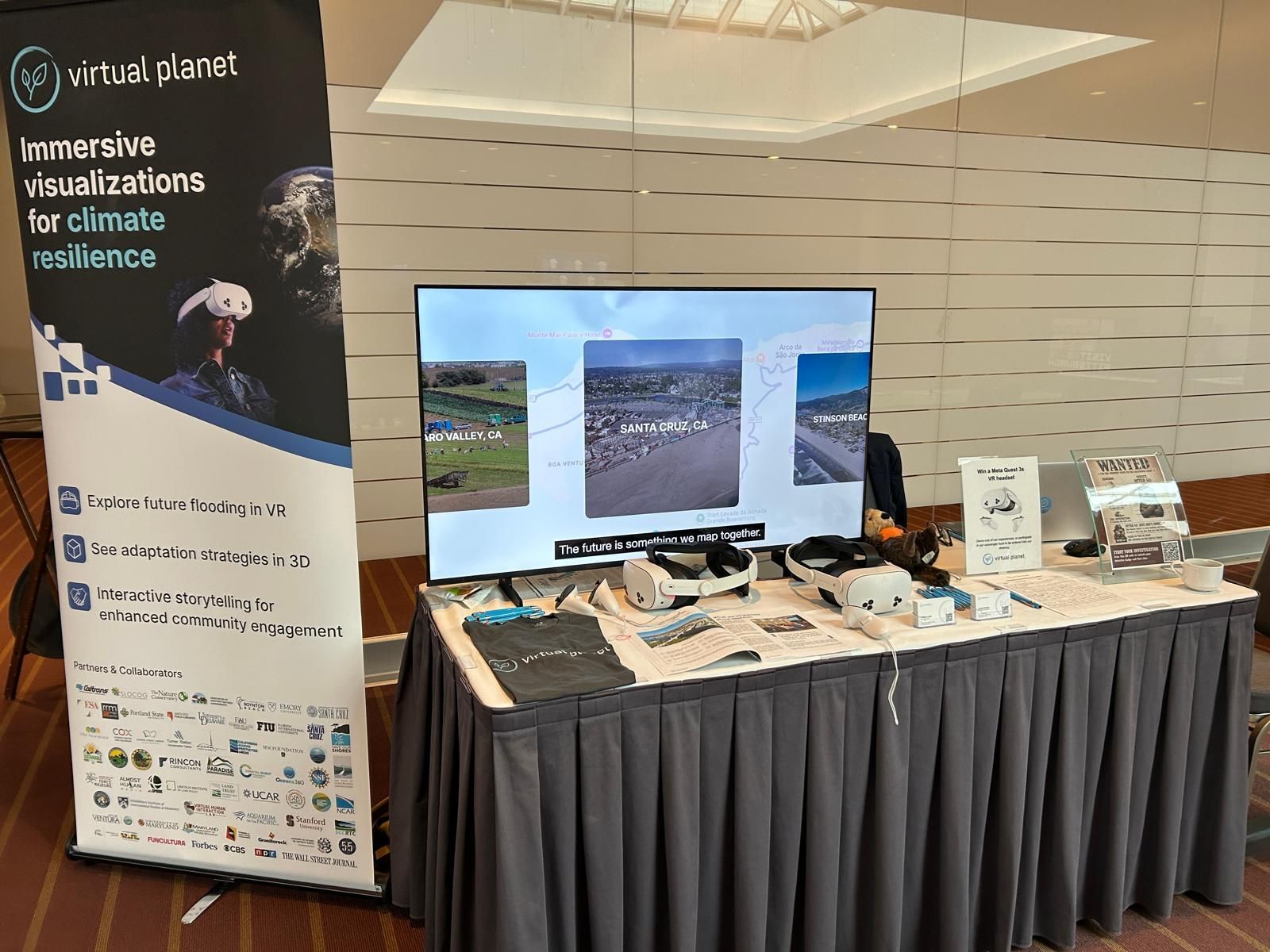
Last week at the National Adaptation Forum in Pittsburgh, we ran 78 immersive demos at the booth, gave two talks, and turned coastal adaptation into a scavenger hunt.
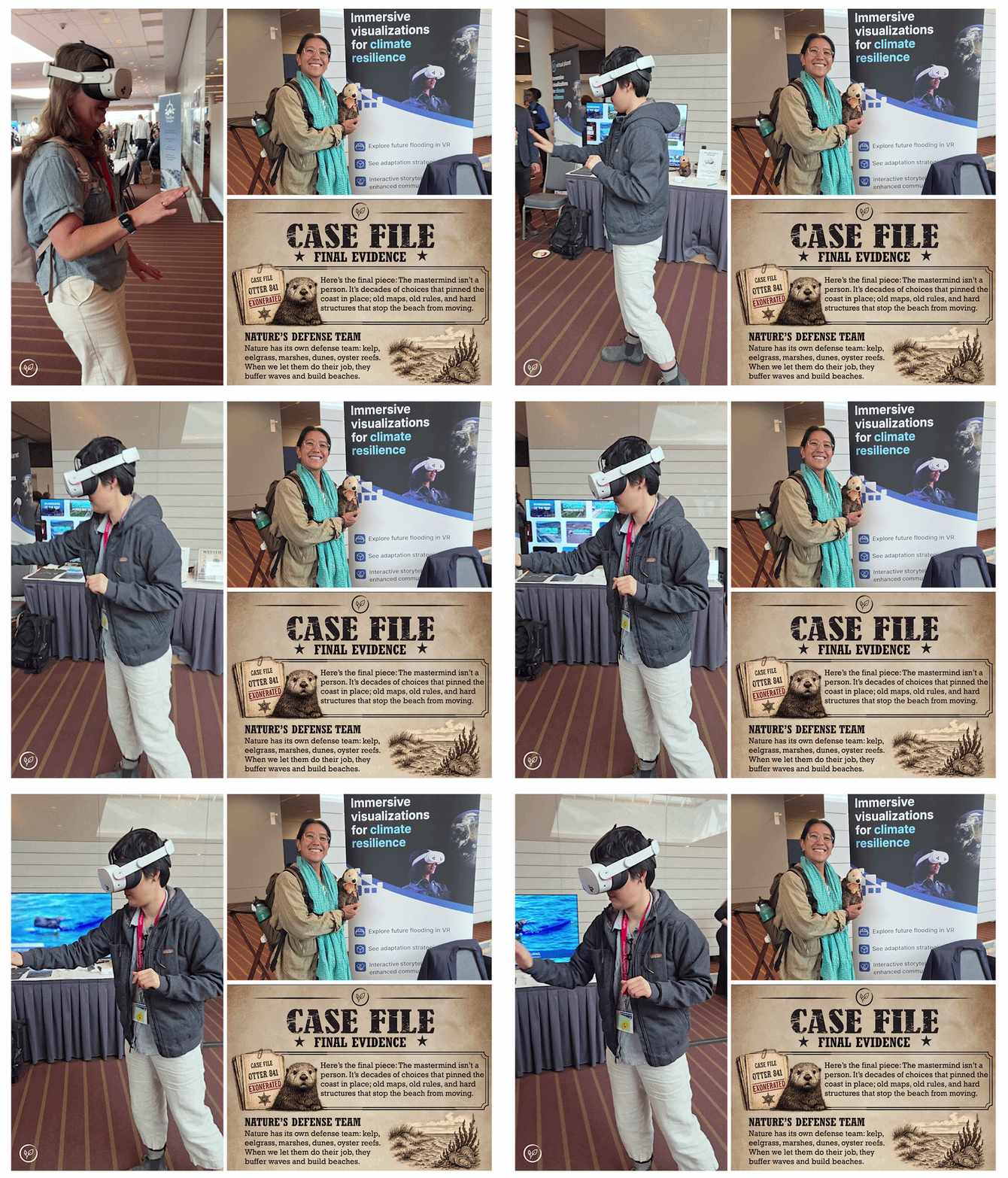
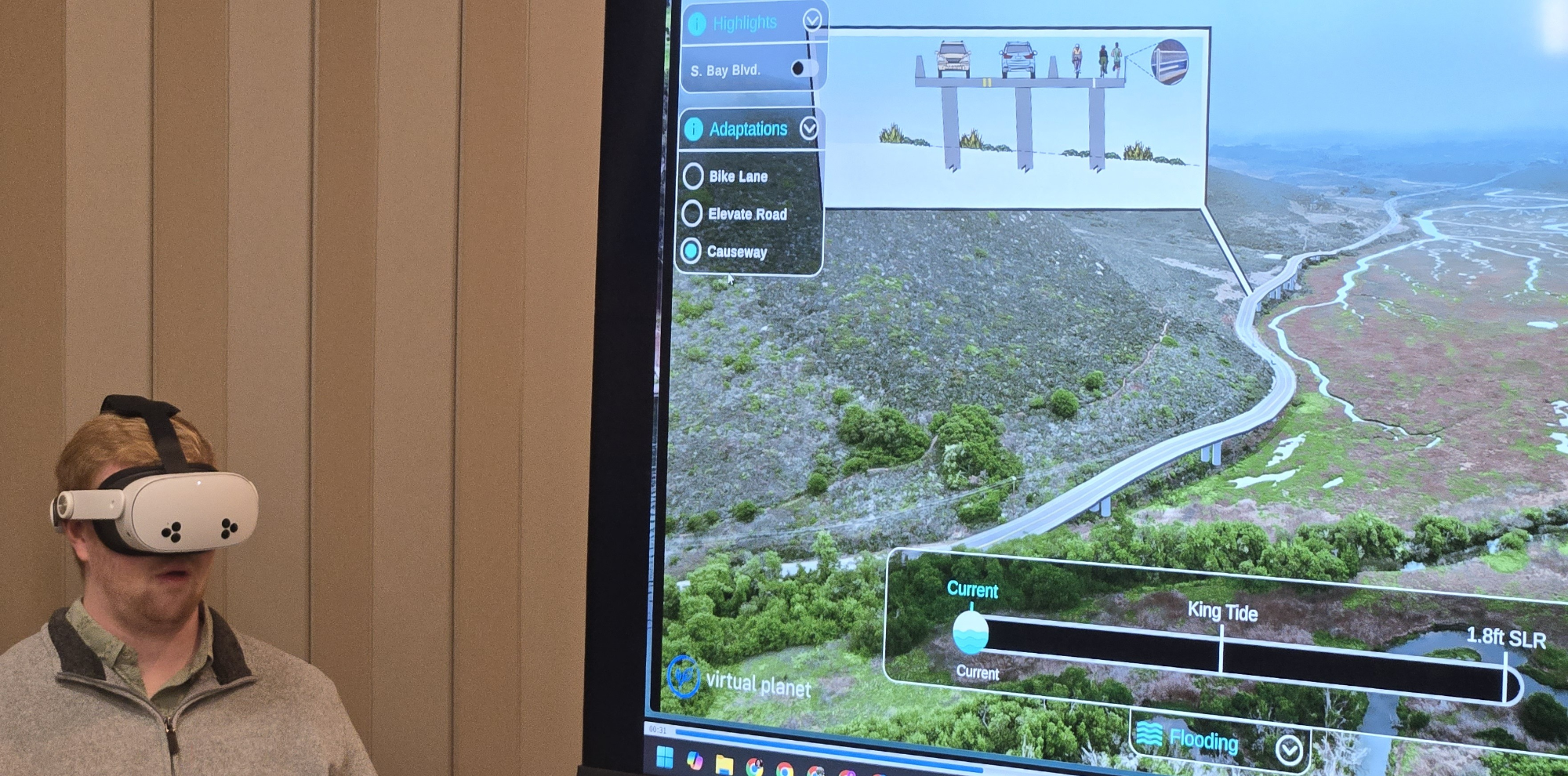
Attendees who put on a headset to try our mixed reality demo got to walk through a portal into the future. From the conference room, they were transported to the beach in Santa Cruz, where they could see the ocean rising, as well as what it would look like to construct a living shoreline to protect the coastline.
So many people came away from this experience noting how real it felt, and how much more they felt connected to what they had seen. By the second day, people were showing up at the booth saying things like, “I was told I needed to see this.”
Congratulations to Phoenix Armenta for winning a VR headset! Others won plush otters, and a lot of people who would have walked past the booth stopped, laughed, asked questions, and stayed with the work. And that last part is the one that matters.
What we're carrying into the work
The theme that came up in sessions, hallway conversations, and at our booth was climate framing.
How do we tell climate stories that connect with people and lead to action without pushing them away? The answer we keep getting back to is co-creation.
People rarely connect with climate risk because the map is technically correct and the forecast is scary. They connect when there's a way in: a question, a story, a place they recognize, a decision they can influence. Sometimes, apparently, an otter mystery.
Communities aren't moved when experts arrive with a finished slide deck and ask people to react to it. They engage when they help shape the questions being asked and the actions being considered. That’s when they start to see their own knowledge in the result.
Here is what that looks like in practice.
Ventura, CA
Going live in July
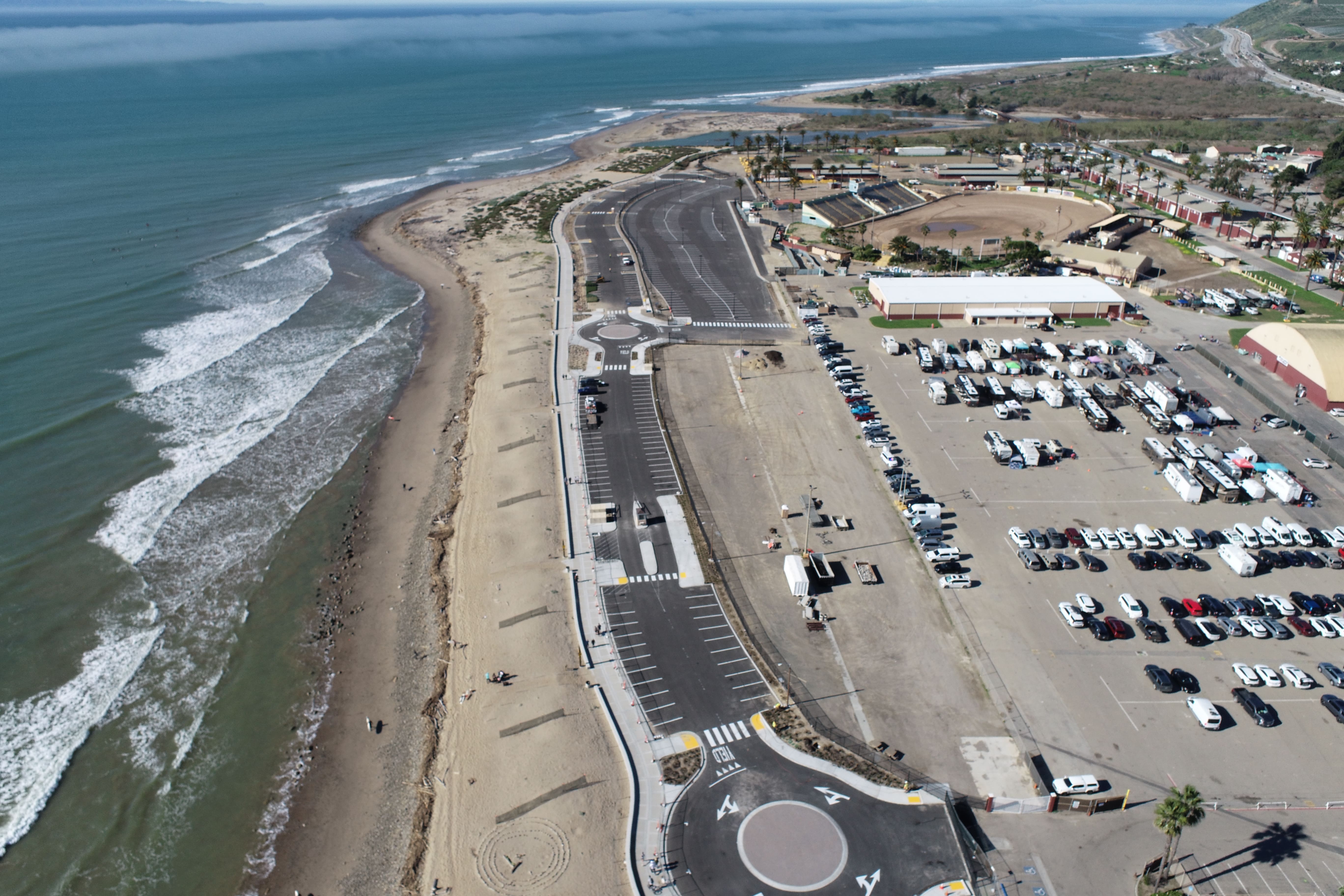
This July, our Ventura Local Coastal Program Update experience goes live as part of a series of public workshops with our partners at Rincon Consultants, the City of Ventura, and others.
The experience takes residents through the places at the center of Ventura's coastal future: the Promenade, the Fairgrounds, the Pierpont neighborhood, the Ventura Keys, and the shoreline hit by a rogue wave in 2023.
The LCP update is about the choices ahead: where the city builds, how it adapts, and what gets protected.
Residents will be able to explore flooding scenarios and see what adaptation may look like in their own neighborhoods: vegetated dunes, cobble berms, redesigned drainage, nature-based buffers, and relocated infrastructure.
The goal is for people to see what's possible before the workshop conversation starts, not after.
Workshop details coming soon.
Also in the works
A few more projects we'll write about as they progress:
- Charlotte County, FL: our largest storm surge visualization project to date. We spent time on the ground this spring capturing canals, mangroves, and waterfront neighborhoods. Full visualizations go live in 2027.
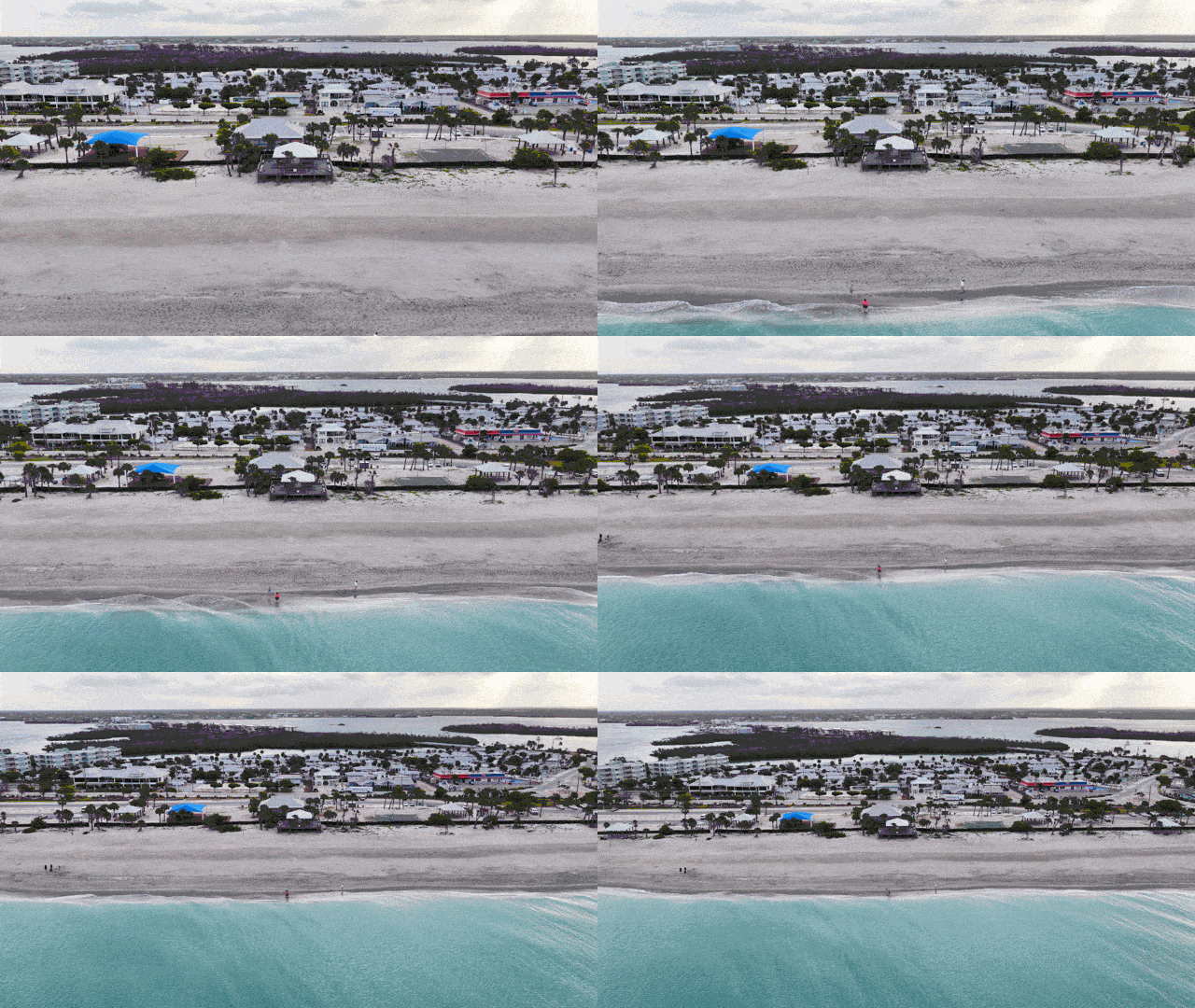
- Colina Ranch, CA: a new immersive experience with our partners at the Land Trust of Santa Cruz County. Conservation meets adaptation, told from inside the landscape.
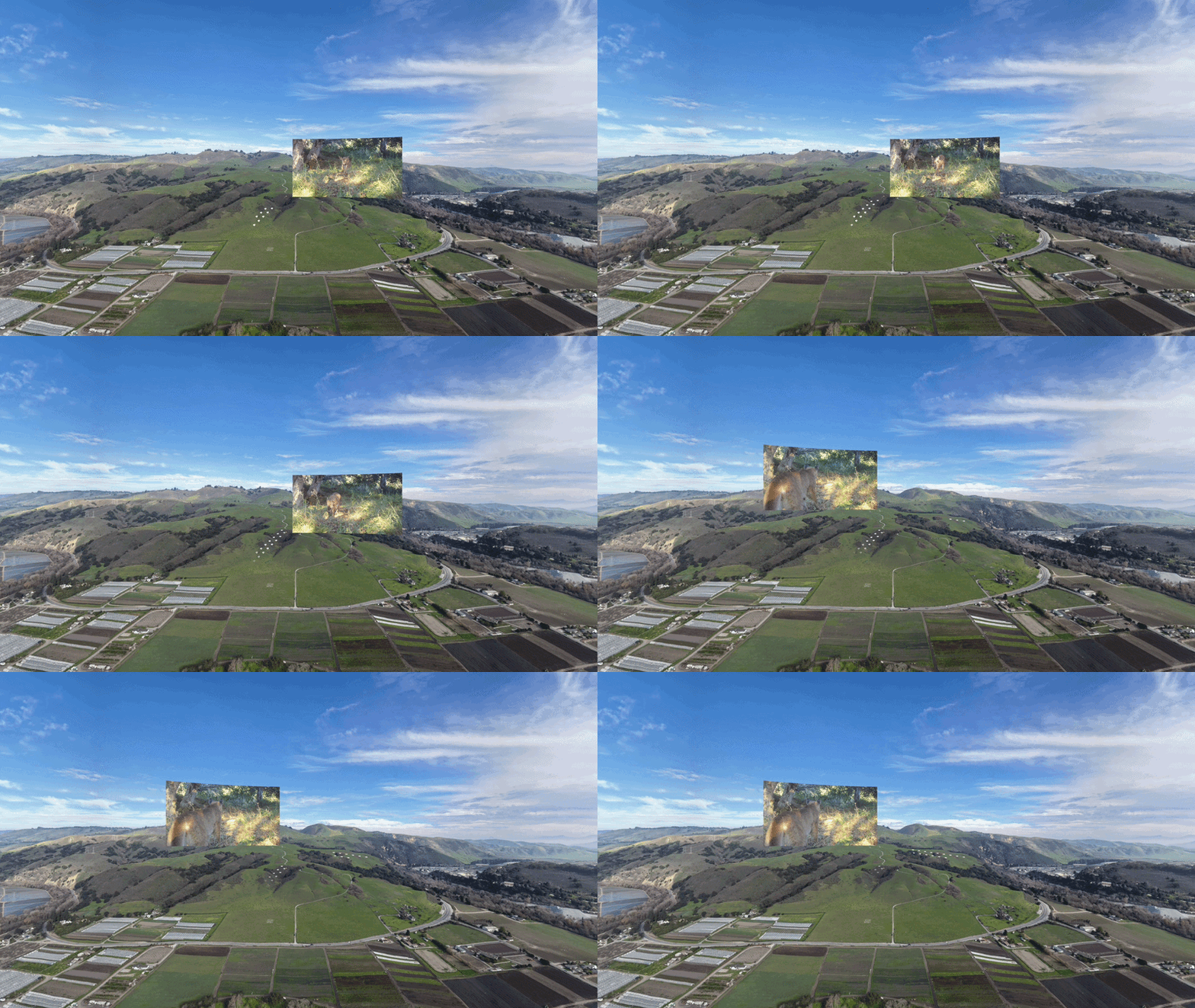
- Walnut Creek, CA: a virtual workshop project on inland flooding and watershed engagement. Inland communities don't usually get the same visualization treatment coastal places do. We're working to change that, and Future Climate Now will be a key part of the project.
Boston Harbor, MA
Starting now
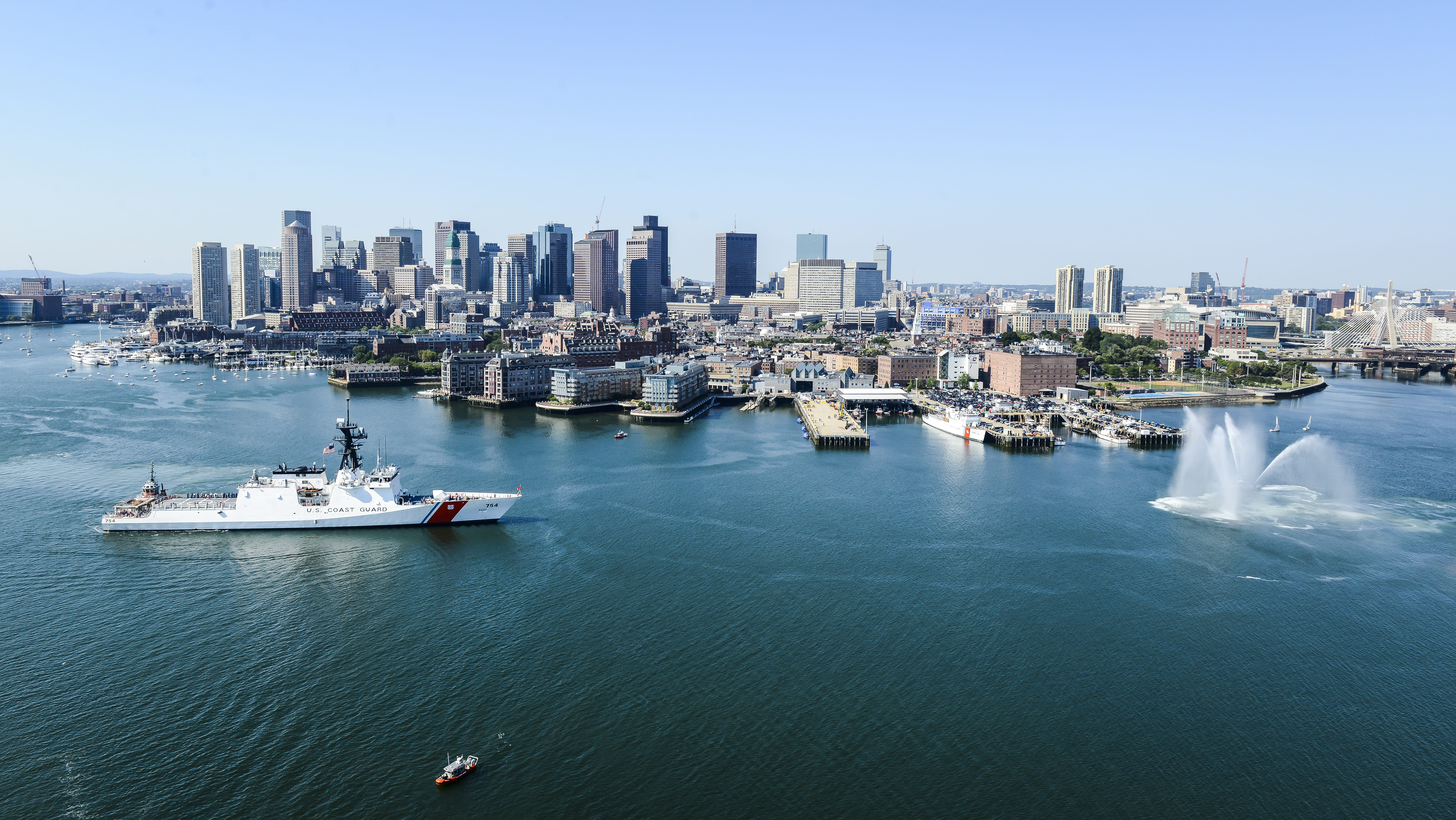
We're kicking off a multi-year partnership with Boston Harbor, now focused on the resilience of the urban waterfront.
The piece I'm most excited about is that the immersive component is built into engagement from day one, not bolted on at the end.
This will be an augmented experience unlike anything you’ve seen before. We can’t wait to share more of this work in the near future.
Future Climate Now
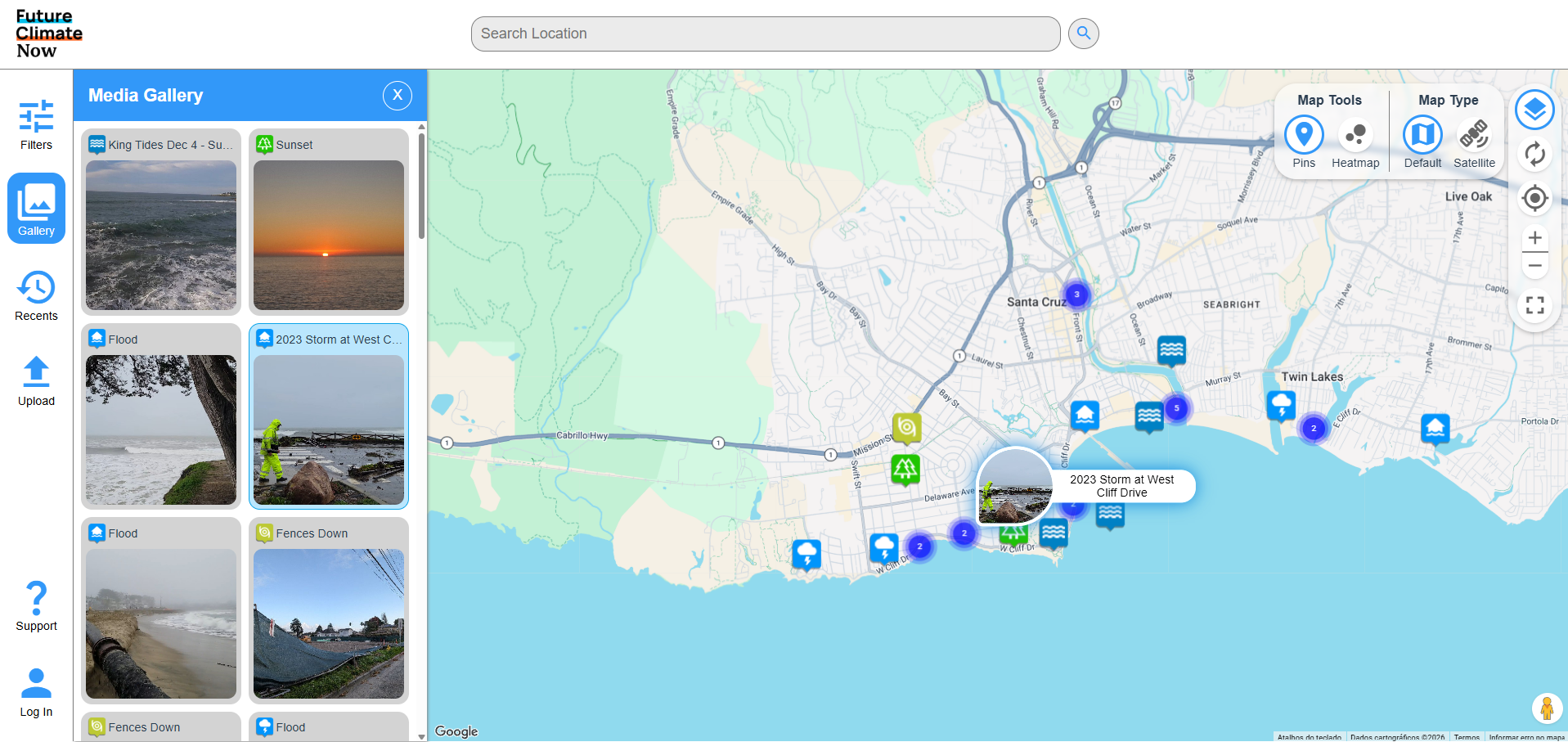
FCN is the most explicit version of co-creation in our work.
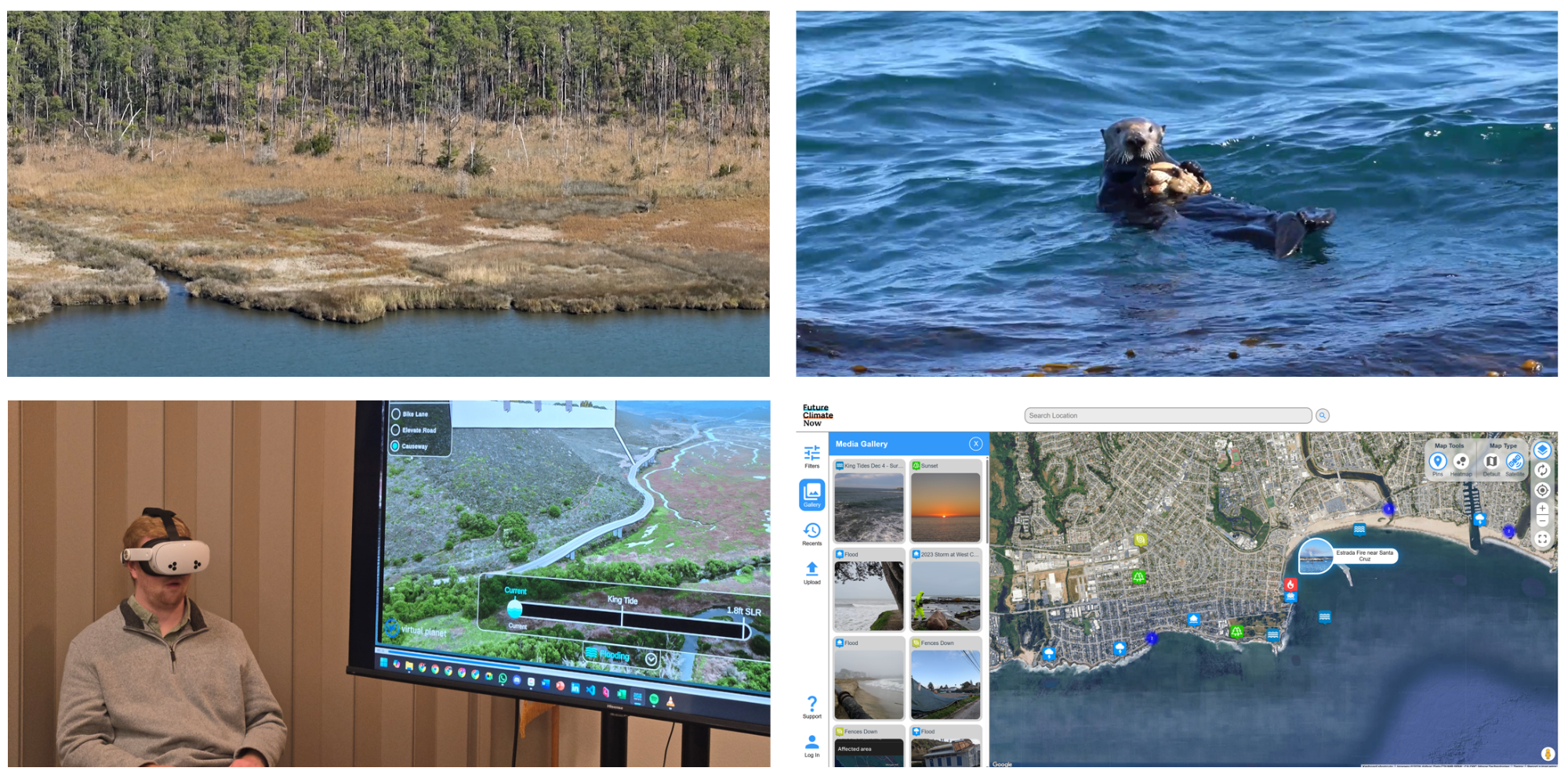
People upload ground-level photos of king tides, erosion, flooding, and the changes they're seeing on their own stretch of coast.
New contributions are coming in from the Central Coast of California, and we're working with new partners to bring the platform into additional regions through the rest of the year.
Let's build resilient communities together.
Stay up to date with current activities and future events by following us on your favorite social media channels.
© 2018–2026 Virtual Planet Technologies LLC. All rights reserved.
Santa Cruz, California, USA
Read Also
Three Coastlines, a New Platform and a Free Video
New experiences, Future Climate Now, and a question for you.
What We Learned When People Stopped Paying Attention
A 2025 recap from Juliano Calil on how immersive engagement shifted from novelty to practical tool, based on real-world climate and resilience projects. Lessons on attention, storytelling, and why immersive tools now need to deploy fast, stay grounded in place, and drive action.
Virtual Planet FAQ: Climate Visualization & Immersive Storytelling
Answers to the most common questions about Virtual Planet's work.
🎥 Behind the Headsets: Immersive Climate Stories for Coastal Resilience
Co-creating across coasts to transform data into experience.