🎥 Behind the Headsets: Immersive Climate Stories for Coastal Resilience
Co-creating across coasts to transform data into experience.
By: Juliano Calil
Posted:
🎥 Behind the Headsets: Bringing Three Coastal Stories to Life
AI Summary: Virtual Planet Technologies partnered with Morro Bay, Santa Cruz, and Boynton Beach to create immersive VR experiences that help communities understand climate challenges and explore solutions. This behind-the-scenes story covers the process from drone filming and modeling to co-writing, narration, and app development, showing how collaboration, data, and creativity come together to support climate resilience.
Creating immersive climate stories isn’t just about technology, it’s about people, places, and collaboration. Over the past year, our team at Virtual Planet Technologies has been working alongside communities in Morro Bay, Santa Cruz, and Boynton Beach to bring new 360° and VR experiences to life. As we get ready to launch them, we wanted to share what it really takes to turn data, dialogue, and creativity into immersive storytelling.
🌊 Capturing the Coast: Drones, Fog, and Fieldwork
Before we build anything digital, we spend time in the places we will recreate. Sometimes that means working in challenging conditions. Every project starts on location and each location teaches us something new.
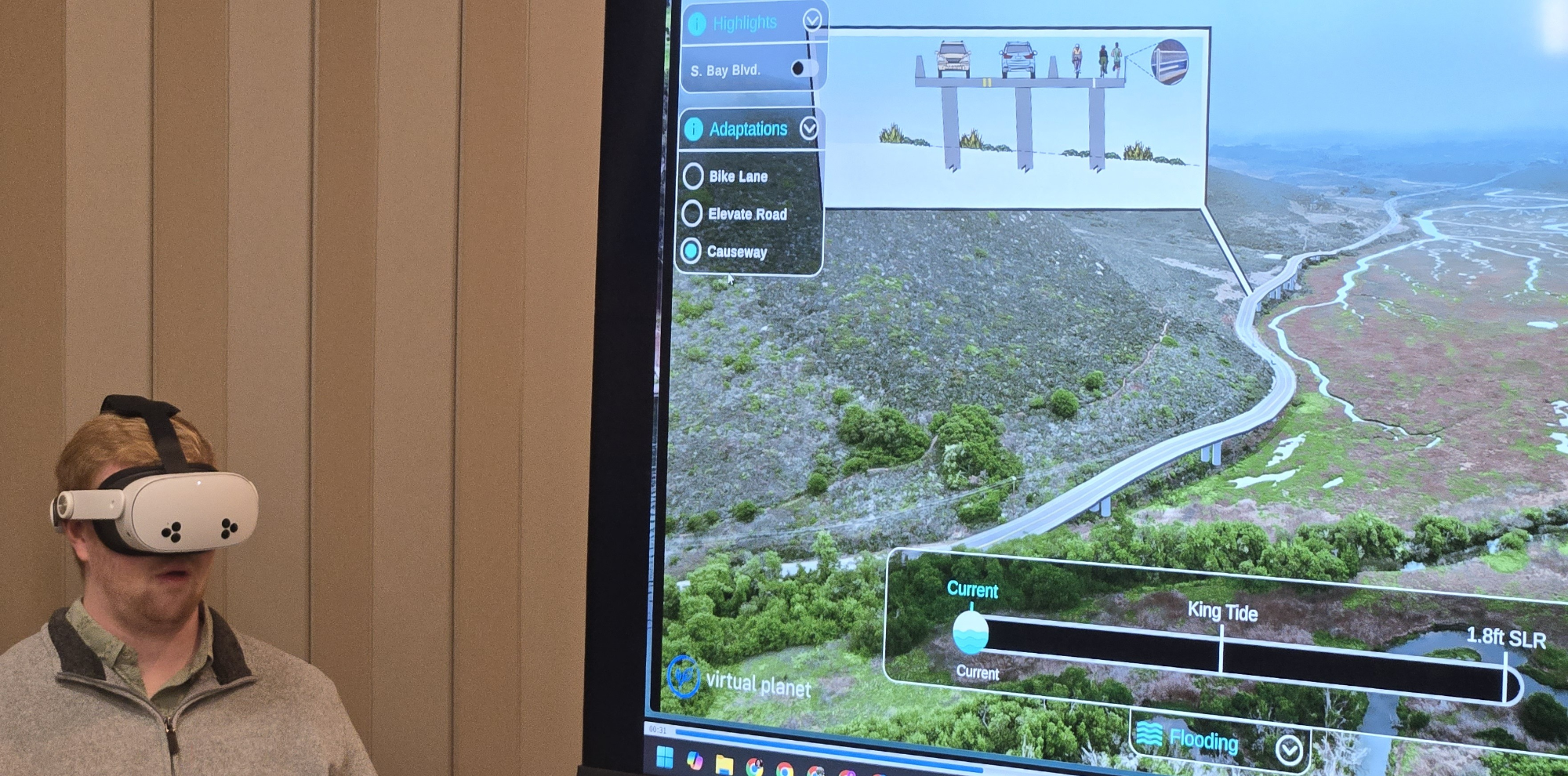
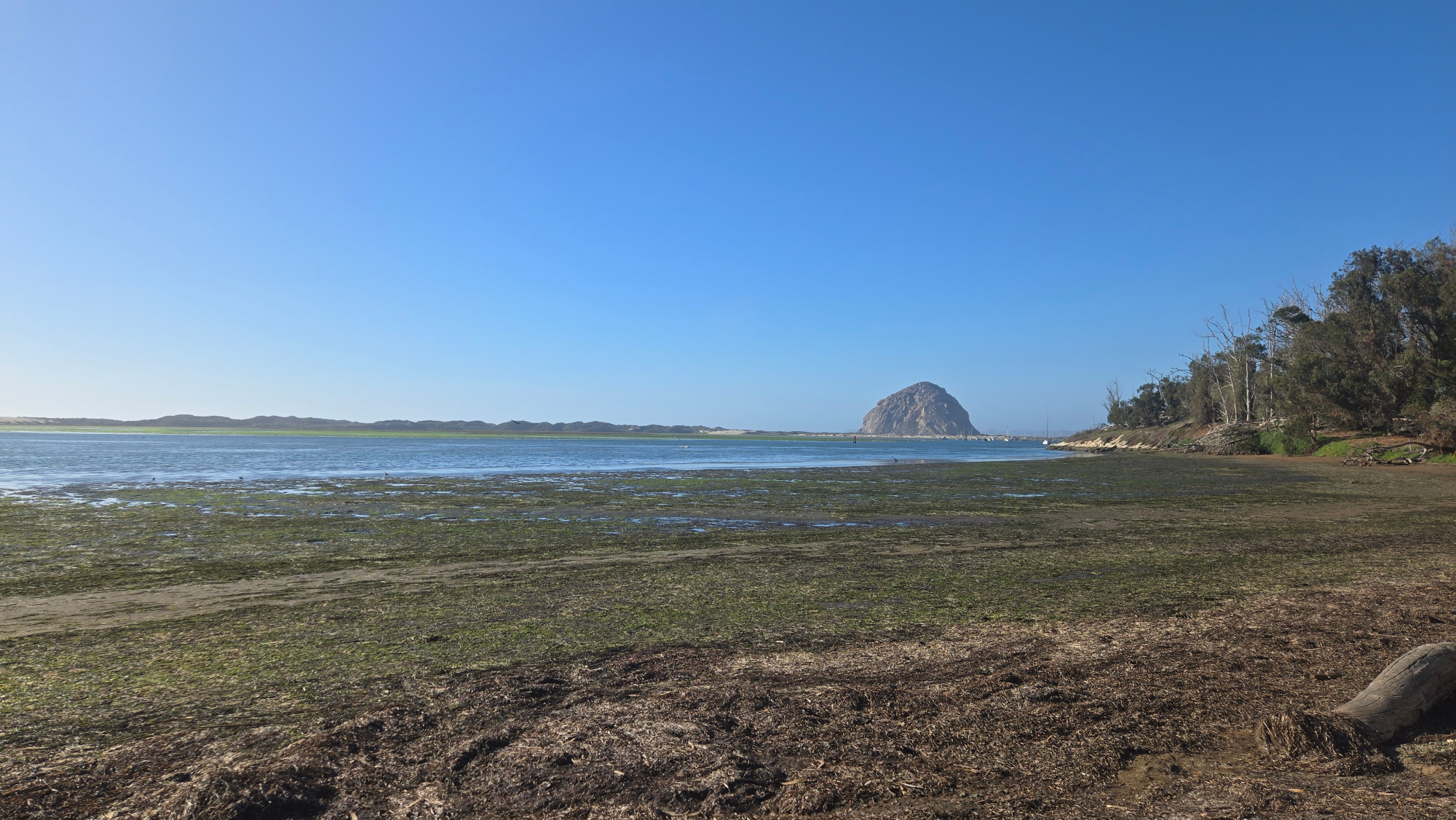
In Morro Bay, drone flights were a puzzle from day one. Between securing multiple permits and dealing with the coastal fog that rolled in without warning, flights were often grounded mid-mission. It took three trips, but we learned to plan around short weather windows and adjust quickly when conditions changed. In the end, the footage captured the wetlands, state park, and critical roads just as residents see them.
In Santa Cruz, once the right permits were in place, we filmed at different times to capture how tides shape the shoreline. We also used existing drone footage from our hometown, including images dating back to 2019.
In Boynton Beach, the focus shifted from inland areas to the coast. We documented how heat, air quality, and flooding affect daily life and how current and future flooding could impact important local treasures, including the Boynton Marina. Spending time on site helped us better understand the connections between land, water, and community, and how local challenges shape each story we tell.
✍️ Co-writing the Story: Scripts, Storyboards, and Narrators
Even as we collected the footage, the storytelling began. With every partner, from local governments to scientists and educators, we co-wrote scripts and storyboards that reflected each community’s voice. These were not stories about the cities, they were stories built around local priorities and shaped by the people who live there. Choosing narrators is always one of the most enjoyable steps. In each location, we looked for voices that felt real and connected. Their words made the stories personal and relatable.
In Santa Cruz, we found the perfect voice for the living shorelines project: Otter 841.
In her own words:
“I’m Otter 841, local legend, occasional surfboard pirate, and currently moonlighting as your narrator.”
🧭 Building the Worlds: Models, Data, and Design
As we created the narratives, our team began selecting the models and scenarios that would shape each story. We worked closely with environmental consultants, designers, and agencies to identify the right data sets and planning approaches for each location.
In Morro Bay, this meant working with partners to visualize how different levels of sea level rise could affect key roads, wetlands, and neighborhoods. In Santa Cruz, we focused on living shoreline projects and how natural infrastructure can reduce wave impacts and erosion. In Boynton Beach, the team combined flood, heat, and air quality models to explore how climate and urban design interact across the city.
These models became the foundation of the experience, turning scientific information into something people could see and understand.
🖼️ From Models to Immersive Worlds
Once the scenarios were selected, artists and developers brought them to life. Using aerial footage, Tabletop 3D models (i.e. dioramas) of key locations, and ground-level immersive visuals, we recreated each location in detail. Textures, lighting, and sound were carefully tuned to match the real environment.
The artwork needed to align with the science, and the science was needed to support the story. Each round of review involved our partners and local teams, testing, refining, and making sure the experience felt accurate and relatable. The results reflect the work of many hands and perspectives, all focused on one goal: helping communities visualize what their future could look like and how local action can shape it.
🧩 Editing, Refining, and Bringing It All Together
In the final stretch, film editors, app developers, and designers worked side by side. We combined 360° visuals, narration, and interactive elements to create seamless experiences that run across multiple platforms, including VR headsets, mobile devices, public touchscreen exhibits, and 2D videos to expand outreach.
App development included rounds of testing and performance tuning to ensure smooth playback and consistent quality in different environments. Each iteration made the experience more stable and easier to use, whether in a workshop setting, a classroom, or even a movie theater.
Feedback played a key role at every step. Partners shared insights about local priorities, personal reactions, and ways to use the tools for education and planning. Every suggestion helped make the final versions stronger and more grounded in real-world needs.
🚀 Ready to Launch
After months of filming, scripting, designing, and co-creating, these three projects are now ready to meet their audiences. We are proud of the teams and partners who helped shape these stories and look forward to seeing how communities use them to spark new conversations about their future.
Each project represents a shared effort to make climate resilience visible, understandable, and local.
👉 Follow Virtual Planet for launch updates and behind-the-scenes clips as these immersive experiences debut in the coming weeks.
💬 Reach out to us to learn how you can bring these tools to your community and help make planning for climate resilience more engaging and accessible.
Keywords: Virtual Planet, immersive storytelling, VR climate stories, coastal resilience, sea level rise, living shorelines, climate communication, Boynton Beach, Santa Cruz, Morro Bay, community engagement, virtual reality, climate adaptation tools
Read Also
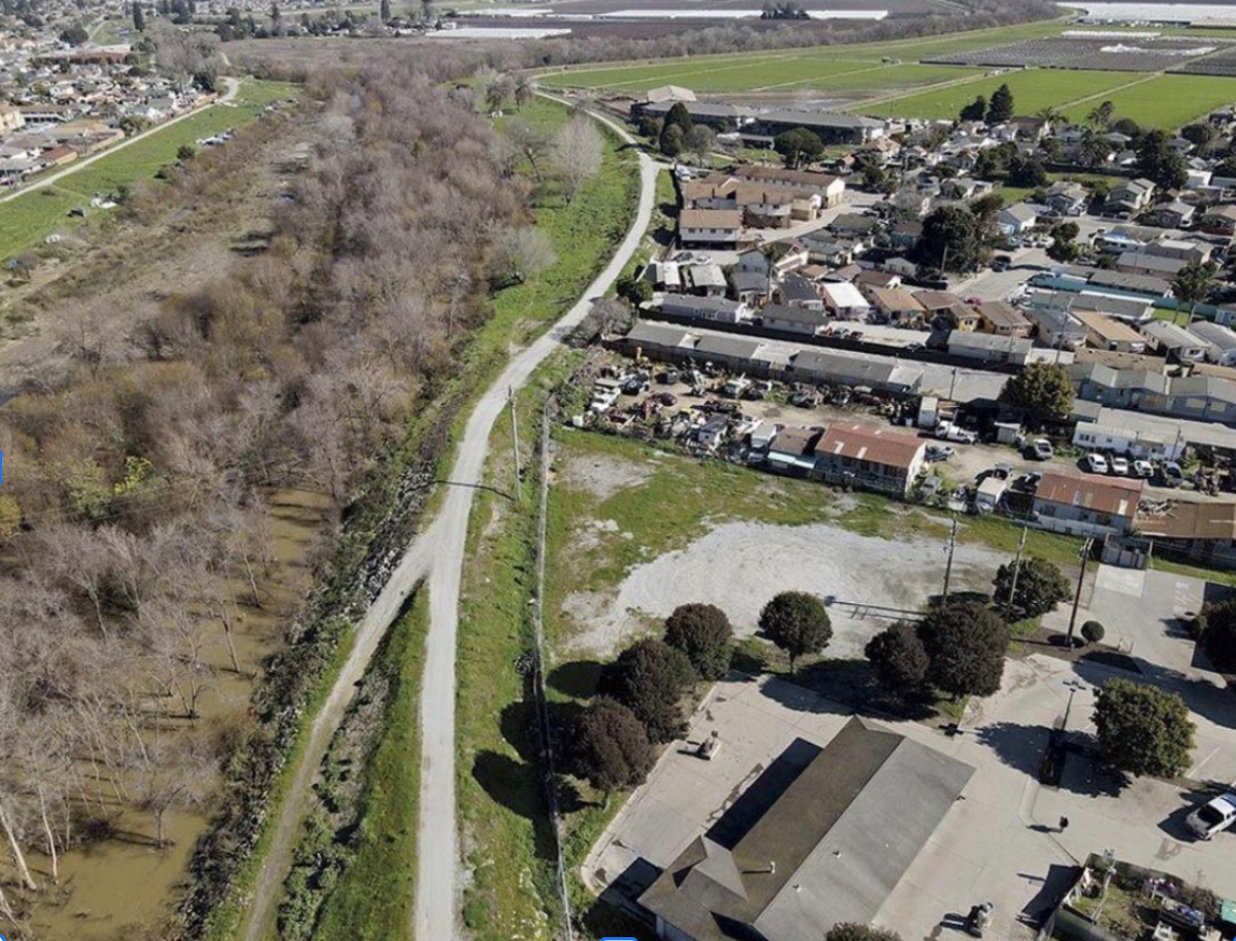
Pájaro Valley School District - Climate Stories
We said pick any environmental story. They chose water.
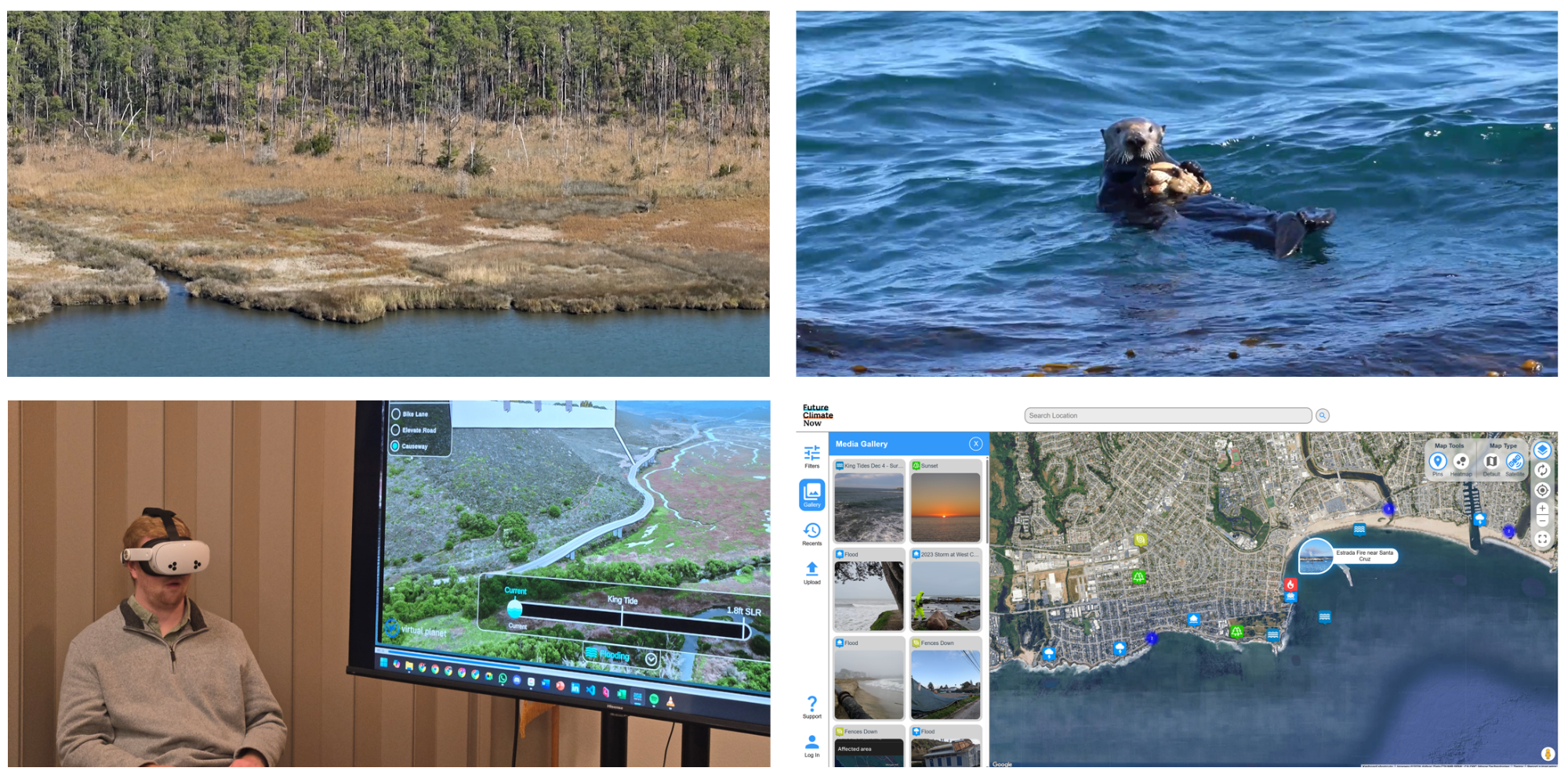
Three Coastlines, a New Platform and a Free Video
New experiences, Future Climate Now, and a question for you.
What We Learned When People Stopped Paying Attention
A 2025 recap from Juliano Calil on how immersive engagement shifted from novelty to practical tool, based on real-world climate and resilience projects. Lessons on attention, storytelling, and why immersive tools now need to deploy fast, stay grounded in place, and drive action.
Virtual Planet FAQ: Climate Visualization & Immersive Storytelling
Answers to the most common questions about Virtual Planet's work.