So Long Bathroom
Santa Cruz Wharf Collapse Challenges Our Understanding of Coastal Resilience
By: Juliano Calil
Posted:
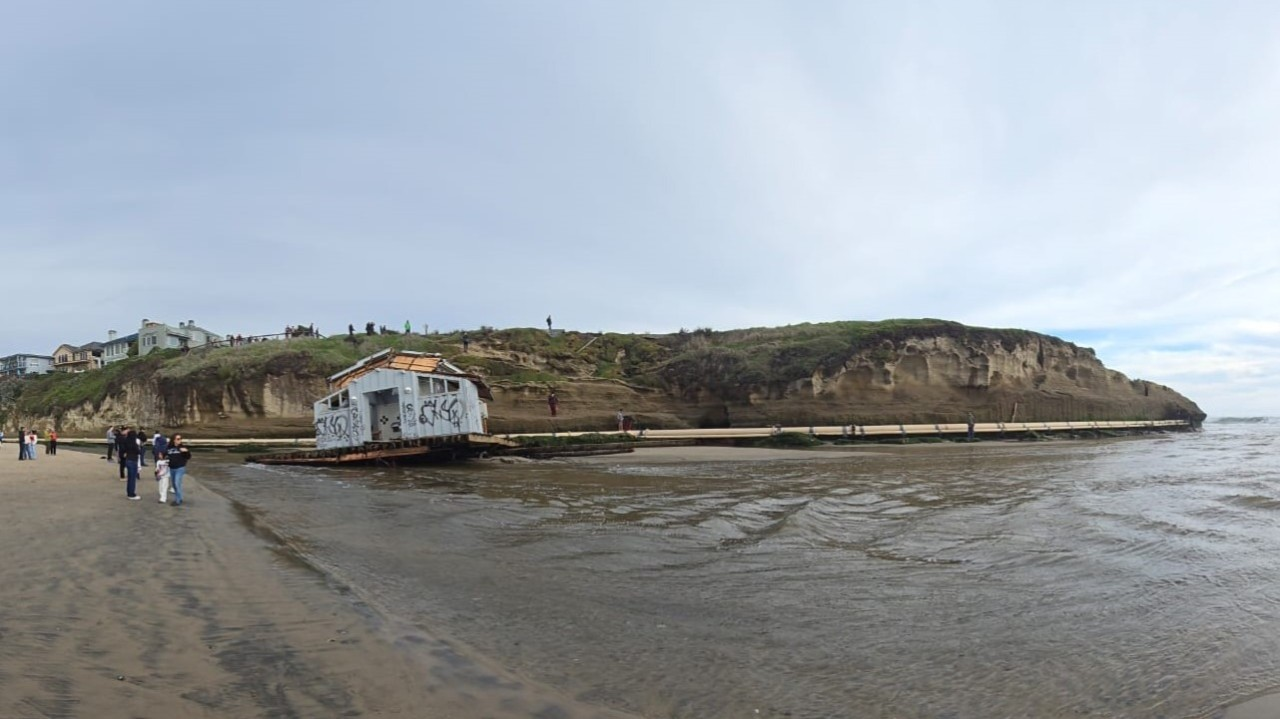
The recent collapse of a section of the historic Santa Cruz Wharf serves as a stark reminder of the increasing vulnerability of our coastal infrastructure. Three people fell into the ocean after a portion of the wharf gave way during intense storm swells, fortunately ending without casualties. But it raises urgent questions about the future of our coastal structures in an era of climate change.
What does coastal resilience even mean anymore? We often talk about "building back better" or creating "climate-resilient infrastructure," but perhaps we need to fundamentally rethink our relationship with the coast. When a historic wharf that has stood for generations gives way – despite preventive closures and ongoing maintenance – it challenges our traditional notion of what "resilient" means. Are we trying to maintain infrastructure that was designed for a climate that no longer exists?
Digital tools can help us visualize and wrestle with these complex questions. The Sea Level Rise Explorer (SLRE) for Santa Cruz, freely available online, allows anyone to explore some of the potential impacts of sea level rise and storm events on our cherished coastline. As recent events demonstrate, understanding these risks isn't just an academic exercise – it's becoming increasingly crucial for public safety and infrastructure planning.
The indefinite closure of the wharf following damage from multiple storms highlights a reality that many coastal communities face: our infrastructure is under mounting pressure from increasingly severe weather events combined with rising sea levels. Sometimes resilience might mean making difficult decisions about what we can realistically maintain, protect, or must eventually let go.
As we've seen with the wharf collapse, preparation and understanding are key to building more resilient coastal communities – whatever "resilient" may mean in our rapidly changing world.
This incident serves as a powerful reminder that the future of our coastal infrastructure depends on informed, proactive planning, but also on our willingness to ask tough questions about sustainability and adaptation in a changing climate. Perhaps true resilience lies not in our ability to maintain everything as it was, but in our capacity to envision and embrace new ways of living with our dynamic coast.
As we celebrate the holidays and look toward 2025, I invite you to join us in imagining a more resilient coastal future. May the new year bring wisdom, courage, and community collaboration as we face these challenges together.

Read Also
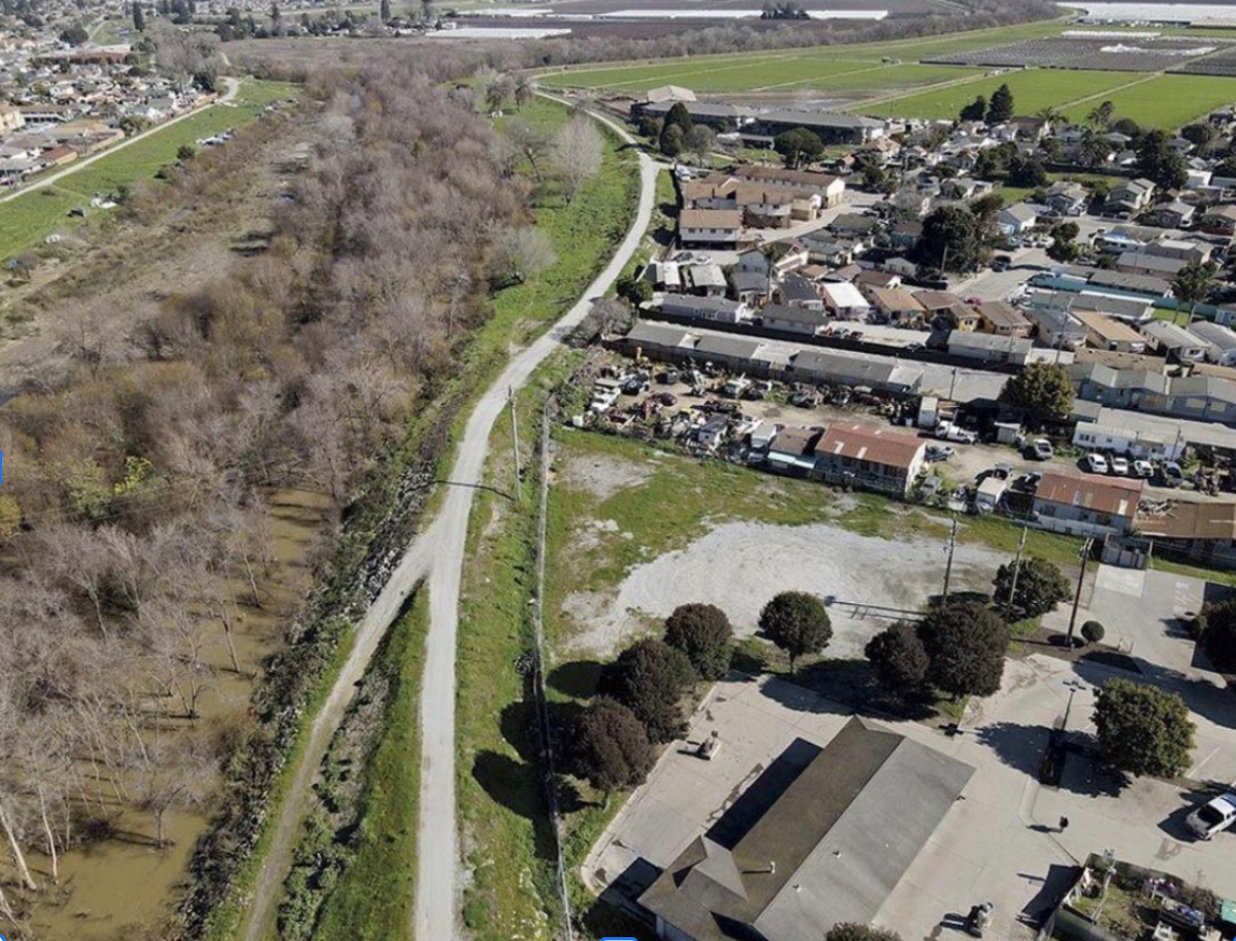
Pájaro Valley School District - Climate Stories
We said pick any environmental story. They chose water.
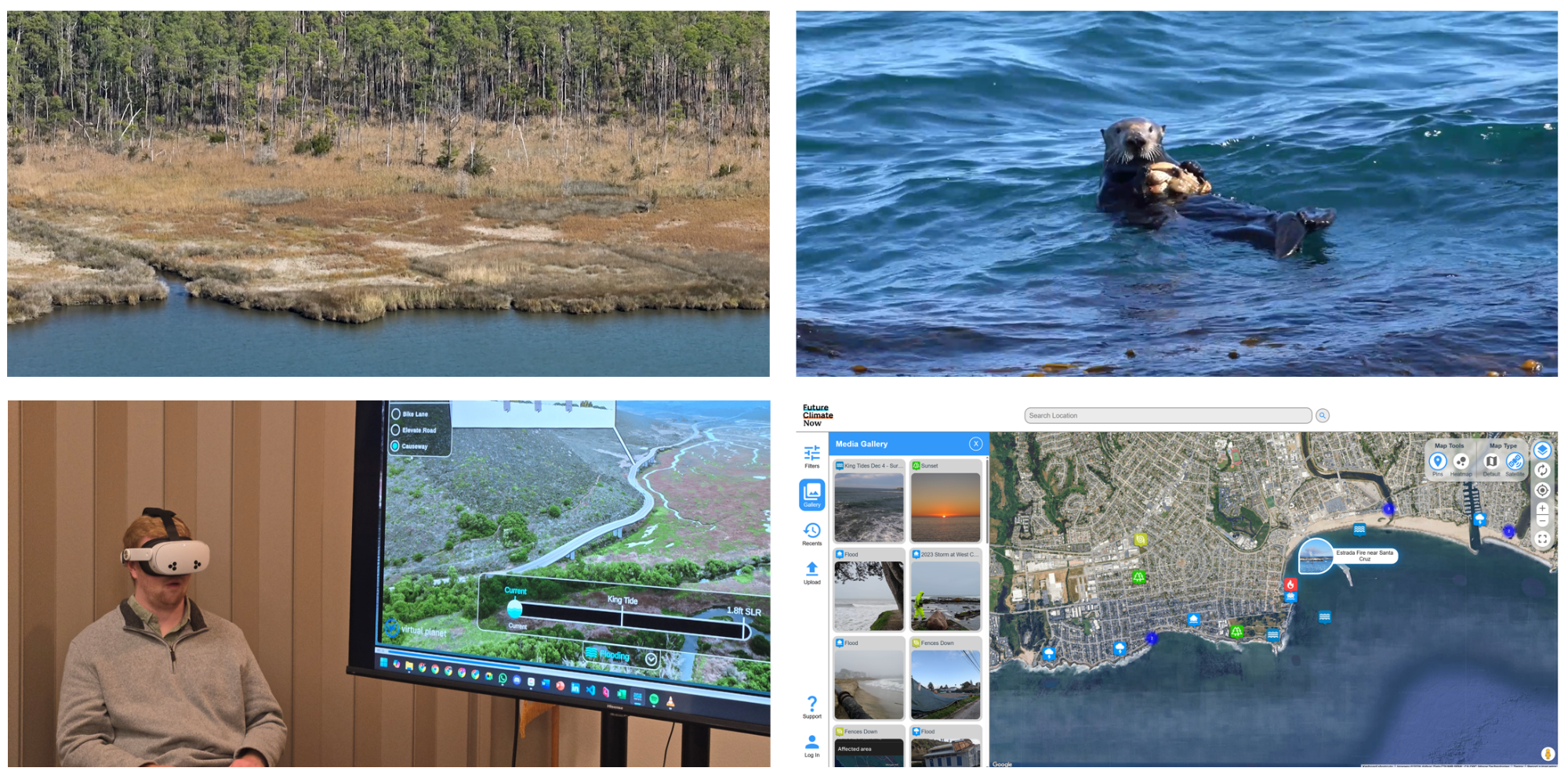
Three Coastlines, a New Platform and a Free Video
New experiences, Future Climate Now, and a question for you.
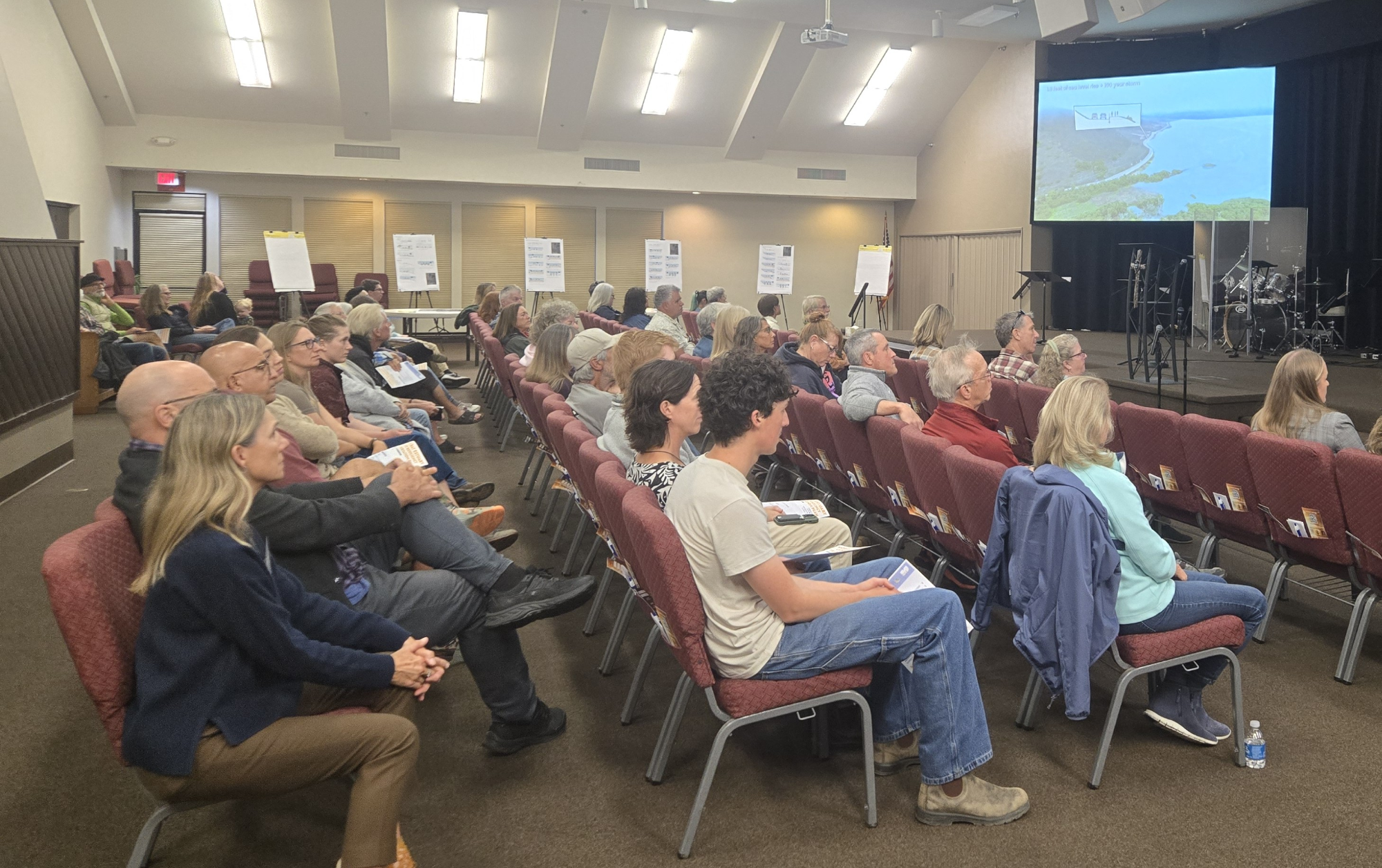
What We Learned When People Stopped Paying Attention
A 2025 recap from Juliano Calil on how immersive engagement shifted from novelty to practical tool, based on real-world climate and resilience projects. Lessons on attention, storytelling, and why immersive tools now need to deploy fast, stay grounded in place, and drive action.
Virtual Planet FAQ: Climate Visualization & Immersive Storytelling
Answers to the most common questions about Virtual Planet's work.